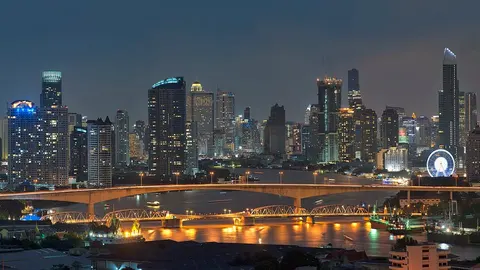
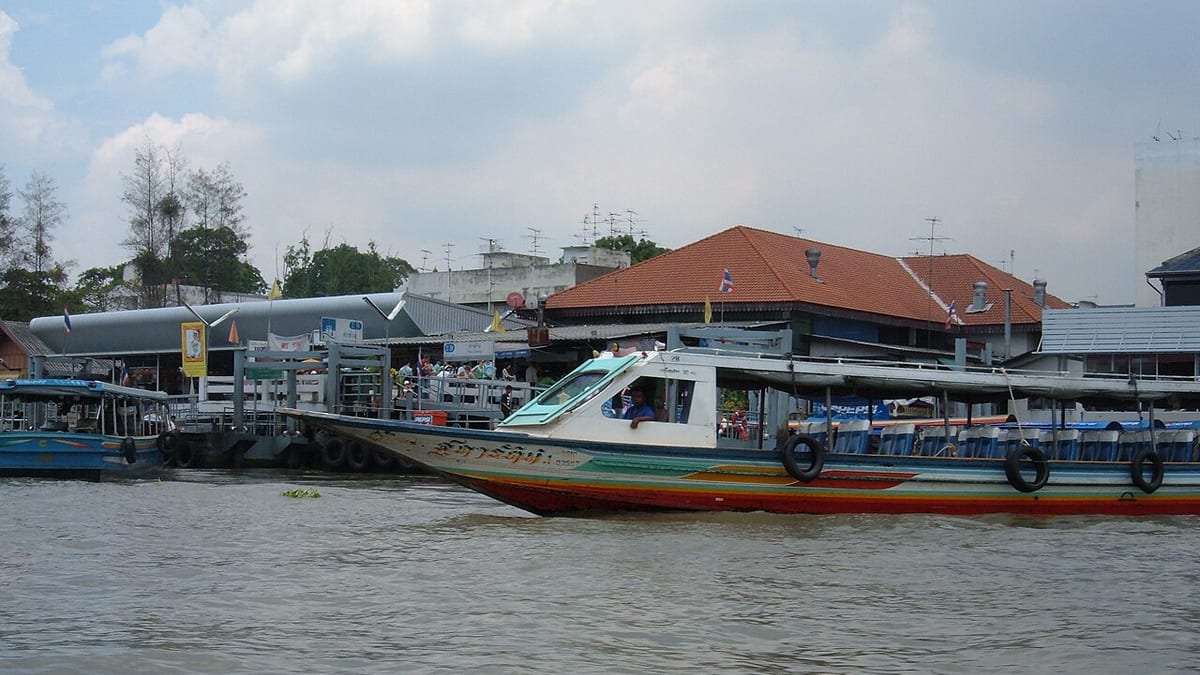
The best time to ride the Chao Phraya Tourist Boat is early in your sightseeing day when you want several riverside stops, or later in the afternoon when the river journey itself is the priority. Do not choose a departure purely for sunset without checking the last boat from your intended return pier. The timetable varies by stop and direction. 1
For a first visit, build the day around one or two attractions and use the boat to connect them. It is more useful as a moving link between neighbourhoods than as a challenge to visit every pier printed on the route map.
Morning works best for a full sightseeing day
Starting early gives you more options if a queue, meal or attraction takes longer than expected. An early boat is not guaranteed to be quiet, but it leaves more later departures available. That flexibility matters more than trying to identify a universally uncrowded hour.
The operator advertises roughly half-hourly service. Missing one departure can therefore consume a meaningful part of a tightly scheduled visit, even before allowing for the crossing, disembarkation and walk to an entrance. Treat those stages as separate parts of the journey. 2
A practical morning might begin at Sathorn, continue towards a chosen temple stop, and leave lunch in the same area rather than returning across the city. Sathorn connects with BTS Saphan Taksin, while the operator also lists stops serving ICONSIAM, Wat Arun, Tha Chang and other river destinations. 2
Choose your first attraction according to its entry arrangements, not solely the boat's first departure. Wat Arun, for example, is listed by Thailand's tourism authority as open from 08:00 to 18:00. A boat timetable and a temple opening time are different constraints; neither establishes how long security, walking or ticket purchase will take. 3
Late afternoon suits views, not an unlimited itinerary
A later ride can be the right choice when you have already finished museums and want to enjoy the river. Keep the route simple: one boarding point, one destination for dinner, and a clear way back.
The tourist-boat operator extends some evening services to Asiatique. That does not mean every boat from every pier serves it throughout the day. Look for the specific departure and destination on the timetable rather than assuming that the final name on the route is always reachable. 1
Sunset changes through the year, and cloud cover can matter more than a precisely chosen minute. Decide whether your priority is seeing the river in daylight, watching the light change or reaching a restaurant at a fixed time. Trying to guarantee all three with a single late departure introduces unnecessary pressure.
For photography, leave the camera down during boarding and moving between levels. Choose a seat that lets you enjoy the passing scene without blocking other passengers. An open view is not worth leaning beyond a barrier or standing where the crew needs a clear passage.
There is no reliable basis here for promising that one side of the boat is always best. Your direction, desired landmark and the position of the sun all change the answer. A seat on the shaded side may be the better choice during a hot afternoon, even if the most famous landmark is briefly on the other side.
Read the timetable from your actual pier
One of the easiest mistakes is to find the first and last times at a terminal and apply them to an intermediate stop. Published schedules have individual pier rows. Find your boarding pier, intended direction and final connection rather than reading only the headline operating window. 1
The operator's web information also contains differences between its general route description and its timetable. The description names a broad set of piers; the timetable uses a particular sequence that includes Rajinee. This is a reason to confirm the day's stop pattern at boarding, not to invent a combined route from every name on the website. 21
For a timed booking, work backwards. First identify the latest acceptable arrival at the venue, then allow for the walk from the pier, the sailing and a missed departure. Booking the final possible boat is a poor trade when being late would forfeit an attraction ticket.
For the return, save a land-based alternative before leaving your hotel. A rail connection, taxi pickup point or restaurant in a neighbourhood with other transport gives you options if you linger. A river day is more relaxed when the final boat is a preference rather than your only exit.
A day pass is a routing decision
A hop-on-hop-off pass makes most sense when you genuinely intend to board repeatedly. A single scenic journey and a long stop at one attraction create a different calculation. Compare the live pass price with the individual journeys you will actually take, rather than with an ambitious route you would not otherwise attempt.
Buying several admissions elsewhere does not automatically make a boat pass worthwhile. Your attractions may be close enough to walk between, or on a route better served by a different boat. Add up only usable journeys.
The official website links its own online booking channel, but a booking confirmation can have redemption requirements. Read whether you show a code directly, exchange it at a particular counter, or select a travel date. Do not assume every reseller's voucher works in the same way. 2
For a couple or family, calculate per person. An appealing fare multiplied across a group can change the comparison with one shared taxi for an awkward final leg. The point is not that one mode is always cheaper, but that the return journey deserves its own calculation.
Distinguish the tourist boat from other river services
The Chao Phraya Tourist Boat is a named hop-on-hop-off service. Other river boats, cross-river ferries and hotel shuttles have their own routes and ticket rules. A ticket bearing the river's name is not automatically valid on every vessel you see. 2
Read the service name at the pier and show your ticket before joining a line. If your objective is only to cross between two nearby banks, ask for the local crossing rather than automatically buying a sightseeing product.
Likewise, a dinner cruise is not a later version of the tourist boat. Its boarding arrangements, duration and cancellation terms can be quite different. Choose it for the meal and organised evening experience, not because you expect to hop off whenever an interesting temple appears.
For most first-time visitors, my recommendation is a morning start for a multi-stop day and a short late-afternoon ride for atmosphere. In both cases, simplify the number of planned stops. The strongest river itinerary leaves enough time ashore that you remember the neighbourhoods, not just the boat timetable.